
The Brno Noon Bells at 11 Explanation and 10 Must-See Sights
If you visit Brno, you might notice something strange. The city bells ring for noon at 11:00 AM every day. This unique tradition is more than just a local quirk. It is a tribute to a clever trick from the 17th century. Understanding the Brno Noon Bells at 11 explanation helps you appreciate the city's resilient spirit. Brno is the capital of Moravia and offers a perfect blend of history and modern life. From massive fortresses to hidden underground tunnels, there is much to explore here. This guide will explain the legend and show you the best places to visit in 2026.
The History Behind the Brno Noon Bells at 11 Explanation
The story begins in 1645 during the Thirty Years' War. A massive Swedish army led by General Torstenson surrounded the city. Brno was the only obstacle on their path to Vienna. The siege lasted for nearly four months. The local defenders were exhausted and low on supplies. General Torstenson grew frustrated with the long delay.
He decided to launch one final, massive attack on August 15th. The General made a public vow to his officers. He declared that if the city did not fall by noon, he would retreat. This secret reached the ears of the Brno defenders. They knew they could not hold out much longer against the Swedish forces.
As the battle raged, the clock approached 11:00 AM. The Swedes were close to breaking through the city walls. In a moment of genius, the local bell ringer rang the bells twelve times. This signaled noon an hour early. Believing they had failed their deadline, General Torstenson and the Swedish siege of Brno finally came to an end. The army packed up and marched away.
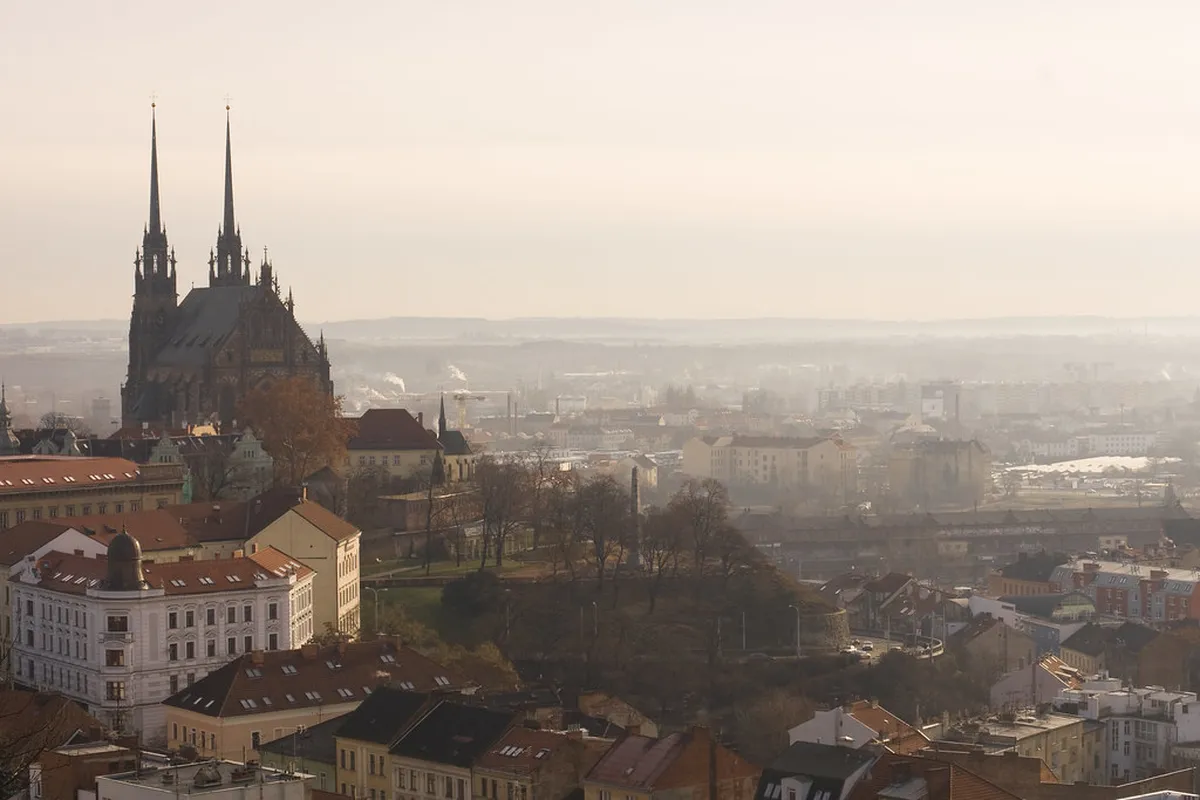
Today, the Cathedral of St. Peter and Paul keeps this memory alive. Every day at 11:00 AM, the bells chime twelve times. It is a symbol of victory and local pride. You can hear this sound throughout the historic center. For more details on the city's past, check the Go To Brno official portal. It is a highlight for anyone visiting the Czech Republic.
10 Must-See Brno Attractions Near the Historic Center
Brno is a compact city that is easy to explore on foot. Most major sights are within walking distance of the main train station. You can see iconic architecture and vibrant street life in a single afternoon. Here are the top ten experiences to add to your itinerary for 2026.
- Name: Cathedral of St. Peter and Paul (Petrov) Type: Sight Why go: This is where the noon bells ring at 11:00 AM. The Gothic towers dominate the skyline. You can climb the towers for a panoramic view. Best for: History buffs and photographers. Where: Petrov Hill. Time: 1 hour. Cost: Free for the nave; small fee for towers. Getting there: Walk from the main station. Tip: Visit the Cathedral of St. Peter and Paul early to avoid crowds.
- Name: Špilberk Castle Type: Sight/Museum Why go: It was once a feared prison in the Austro-Hungarian Empire. Today, it houses the city museum and offers vast park grounds. The views of Brno are spectacular from the ramparts. Best for: Families and view-seekers. Where: Špilberk Hill. Time: 2-3 hours. Cost: Moderate for museum exhibits. Getting there: Follow the Spilberk Castle walking route from the center. Tip: Check out the casemates to see the old prison cells.
- Name: Old Town Hall Type: Sight/Viewpoint Why go: It is the oldest secular building in Brno. Look for the famous "Brno Dragon" (a crocodile) hanging in the entrance. The tower offers the best central view of the city. Best for: Legends and city views. Where: Radnická street. Time: 45 minutes. Cost: Small fee for tower access. Getting there: Located between Zelný trh and the main square. Tip: Read about the Brno dragon and wheel legends before you go.
- Name: Zelný trh (Vegetable Market) Type: Market Why go: This lively square has hosted a market since the 13th century. You can buy fresh produce, local honey, and flowers. It is the heart of local life in the old town. Best for: Foodies and local atmosphere. Where: City center. Time: 30-60 minutes. Cost: Free to browse. Getting there: Walkable from any central point. Tip: Learn about the Zelný trh vegetable market history to appreciate the Parnas Fountain.
- Name: Brno Astronomical Clock Type: Unique Experience Why go: This modern black stone monument looks like a bullet. Every day at 11:00 AM, it releases a glass marble. Catching the marble is a popular local challenge. Best for: Quirky photo ops. Where: Freedom Square (Náměstí Svobody). Time: 15 minutes. Cost: Free. Getting there: It is the main square of Brno. Tip: Arrive 15 minutes early if you want to try catching the marble.
- Name: Villa Tugendhat Type: Museum/UNESCO Why go: It is a masterpiece of modern functionalist architecture. Designed by Ludwig Mies van der Rohe, it is a UNESCO World Heritage site. The design was revolutionary for its time. Best for: Architecture enthusiasts. Where: Černá Pole district. Time: 2 hours. Cost: High; tickets sell out months in advance. Getting there: Take tram 3 or 5 from the center. Tip: Book tickets on the UNESCO or official site at least 3-4 months ahead.
- Name: Labyrinth Under Zelný trh Type: Experience/Indoor Why go: Explore a network of medieval cellars and passages. It shows how food and wine were stored centuries ago. It is cool and atmospheric even in summer. Best for: Rainy days and history lovers. Where: Under Zelný trh. Time: 1 hour. Cost: Moderate. Getting there: Entrance is on the Vegetable Market square. Tip: Buy Brno underground labyrinth tickets in advance during peak season.
- Name: Ossuary at the Church of St. James Type: Unique Experience Why go: It is the second-largest ossuary in Europe after Paris. It contains the remains of over 50,000 people. The presentation is respectful and deeply moving. Best for: Dark history fans. Where: Jakubské náměstí. Time: 30-45 minutes. Cost: Moderate. Getting there: A short walk from Freedom Square. Tip: The acoustics are amazing; listen to the subtle background music.
- Name: Denis Gardens Type: Nature/Viewpoint Why go: This public park offers a peaceful escape with great views of Petrov and Špilberk. It was the first public park in Moravia. It is perfect for a sunset stroll. Best for: Couples and relaxation. Where: Next to Petrov Hill. Time: 30 minutes. Cost: Free. Getting there: Walk up from Nádražní street. Tip: This is a great spot to sit and listen to the bells.
- Name: Veveří Castle Type: Day Trip Why go: Located on a rocky promontory near the Brno Reservoir. It is one of the oldest and largest castle complexes in the country. You can take a boat trip to reach it. Best for: Nature lovers and day trippers. Where: 15km from the city. Time: 4-5 hours. Cost: Moderate for castle entry. Getting there: Take tram 1 to Bystrc and then a boat or bus. Tip: Visit in autumn when the surrounding forests change color.
Practical Tips for Hearing the Brno Noon Bells
To fully experience the tradition, you should be near the center at 11:00 AM. The best sound comes from the Cathedral of St. Peter and Paul. The bells are loud and clear throughout the surrounding streets. Many locals still use this as their signal for lunch. This is a key part of the Brno Noon Bells at 11 explanation.
If you want a more interactive experience, head to Freedom Square. The Astronomical Clock is synchronized with the cathedral bells. Crowds gather around the openings in the stone monument. Only one glass marble is released each day. It is a fun, free activity for all ages.
Brno is very pedestrian-friendly. Most of the historic center is a car-free zone. You can easily walk between all the major sites listed above. If you need to go further, the public transport system is excellent. You can find schedules on the DPMB website. For those wondering, is Brno walkable for tourists? The answer is a resounding yes.
Frequently Asked Questions
⭐ Recommendation: Don't miss out on amazing Brno tours - book now!
Why do the bells ring at 11 instead of 12 in Brno?
The bells ring at 11:00 AM to commemorate a trick played on the Swedish army in 1645. The Swedish General Torstenson vowed to leave if he didn't capture the city by noon. Local defenders rang the bells an hour early, causing the Swedes to retreat and saving the city.
Which church in Brno rings the noon bells at 11?
The Cathedral of St. Peter and Paul, also known as Petrov, is the primary church that rings the bells. This Gothic landmark sits on a hill overlooking the city. Its daily 11:00 AM chime is a significant local tradition and a must-hear for visitors.
Is Brno worth visiting in 2026?
Yes, Brno is a fantastic destination for 2026. It offers a rich history, vibrant food scene, and unique architecture without the massive crowds of Prague. The city is famous for its functionalist buildings, underground labyrinths, and high-quality cafes and bars.
The Brno Noon Bells at 11 explanation is a testament to the city's cleverness and history. Whether you are catching a glass marble or exploring the depths of the underground, Brno surprises at every turn. Plan your visit to include both the iconic Petrov Cathedral and the modern Villa Tugendhat. Don't forget to stop by the vegetable market for a taste of local life. For a great start to your trip, consider a self-guided walking tour in Brno to see it all at your own pace. Enjoy the unique rhythm of this Moravian gem!
Official resources
🎯 Insider Tip: Discover the best Brno experiences with Viator Tours!
Use these sources for official schedules, tickets, routes, and updates.
- Go To Brno — Official tourism portal; unverified source.
- City of Brno — Official municipal portal; unverified source.
- UNESCO World Heritage - Villa Tugendhat — International heritage designation; unverified source.
- Lonely Planet Brno — Major editorial travel guide; unverified source.
- Visit Czechia — National tourism board; unverified source.
- Brno-Tuřany Airport — Official airport authority; unverified source.