
Who Designed the Mill Colonnade in Karlovy Vary? A History
Are you wondering who designed the Mill Colonnade in Karlovy Vary? This stone structure is a symbol of the Czech Republic. It stands as the largest colonnade in the famous spa city. The famous architect Josef Zítek created this Neo-Renaissance masterpiece in the late 19th century. Today, it remains a focal point for visitors seeking healing waters and grand Mill Colonnade architecture history. You can explore this landmark for free while walking along the Teplá River. It is a must-see stop on any Karlovy Vary Official Tourism itinerary.
The Architect Behind the Mill Colonnade
Josef Zítek is the answer to who designed the Mill Colonnade in Karlovy Vary. He was a leading figure in Czech architecture. Zítek is most famous for designing the National Theatre in Prague. He brought that same grand Neo-Renaissance style to this spa town. Construction began in 1871 and finished in 1881. Originally, Zítek planned a two-story building. However, budget cuts resulted in the single-story structure we see today.
The building was not always popular with locals. Some felt it did not fit the city's style. Over time, it became a beloved part of the landscape. It is now protected as part of a UNESCO World Heritage site. The colonnade measures 132 meters in length. It houses five major mineral springs that visitors can still enjoy. Here are some quick picks for your visit:
- Best for history: The Mill Spring
- Best for views: The Roof Terrace
- Best for photos: The Corinthian Columns
- Best nearby: Market Colonnade
9 Must-See Features of the Mill Colonnade
The Mill Colonnade is full of small details. You should take your time to walk through the entire hall. Each section offers something unique for history lovers. Use this list to find the best spots during your visit.
- Name: Josef Zítek’s Neo-Renaissance Design Type: Sight Why go: This is the core architectural style of the building. It features grand proportions and classic lines. Best for: Architecture enthusiasts. Where: The entire structure. Time: 20 minutes. Cost: Free. Getting there: Walk from the city center along the river. Tip: Look at the ceiling details to see Zítek's influence.
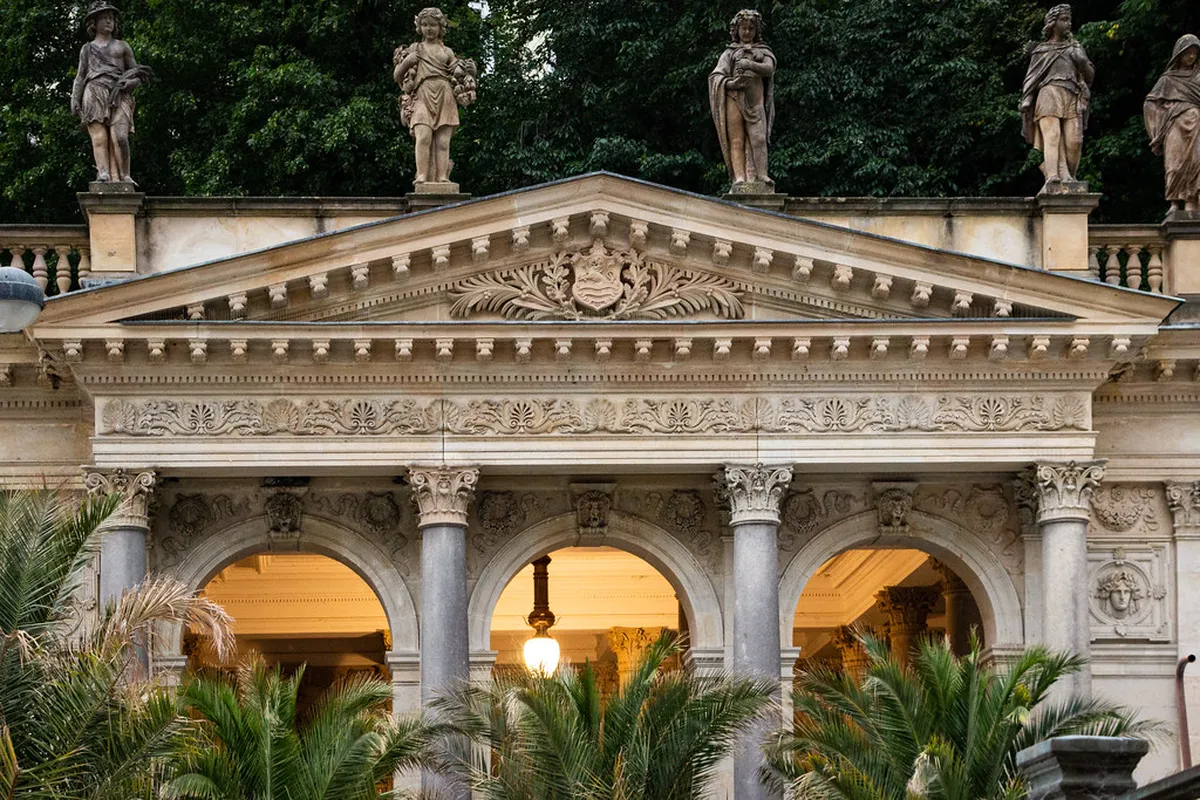
- Name: The Twelve Allegorical Statues Type: Sight Why go: These statues on the roof represent the months of the year. They were created by sculptors Wilfert and Schreiber. Best for: Art lovers. Where: On the roof balustrade. Time: 10 minutes. Cost: Free. Getting there: Look up from the main walkway. Tip: Try to identify each month by the statue's tools.
- Name: The Mill Spring (Mlýnský pramen) Type: Experience Why go: This is the oldest spring in the colonnade. It has been used for baths since the 16th century. Best for: Tasting traditional spa water. Where: Inside the central hall. Time: 5 minutes. Cost: Free. Getting there: Located near the middle of the building. Tip: Bring a porcelain cup to drink like a local.
- Name: The Rusalka Spring Type: Experience Why go: Named after a famous water nymph. It was previously called the New Spring. Best for: A refreshing break. Where: Near the northern end. Time: 5 minutes. Cost: Free. Getting there: Walk towards the end of the colonnade. Tip: The water is warm, so sip it slowly.
- Name: The 124 Corinthian Columns Type: Sight Why go: These massive stone pillars support the entire roof. They create a beautiful perspective for photos. Best for: Photography. Where: Throughout the walkway. Time: 15 minutes. Cost: Free. Getting there: Simply walk through the hall. Tip: Visit early in the morning for the best light.
- Name: The Orchestra Pit Type: Activity Why go: The colonnade often hosts free classical music concerts. The acoustics under the stone roof are excellent. Best for: Music fans. Where: The raised platform area. Time: 30 minutes. Cost: Free. Getting there: Check the local event board. Tip: Sit on the nearby benches to enjoy the music.
- Name: Prince Wenceslas Spring Type: Experience Why go: This spring has two outlets with different temperatures. It was once used to produce spa salt. Best for: Comparing water temperatures. Where: Inside the main hall. Time: 10 minutes. Cost: Free. Getting there: Follow the signs inside. Tip: Be careful, as the water can be quite hot.
- Name: Libuše Spring Type: Experience Why go: Named after the mythical founder of Prague. It is known for its consistent flow. Best for: A quick taste. Where: Near the southern entrance. Time: 5 minutes. Cost: Free. Getting there: Enter from the river side. Tip: Read the plaque nearby for historical facts.
- Name: The Market Colonnade Type: Nearby Sight Why go: This white wooden structure is a short walk away. It offers a great contrast to Zítek's stone design. Best for: Seeing different styles. Where: 200 meters from the Mill Colonnade. Time: 15 minutes. Cost: Free. Getting there: Follow the Market Colonnade signs. Tip: Look for the relief showing the founding of the city.
Tips for Visiting the Mill Colonnade in 2026
Visiting Karlovy Vary in 2026 is a great idea. The city is very welcoming to international tourists. You should plan to arrive early to avoid large tour groups. Most people visit between 10 AM and 4 PM. If you go at 8 AM, you can enjoy the peace of the architecture. You can find more planning tips on the Visit Czechia website.
Remember to respect the local spa culture. Do not wash your hands in the drinking springs. Always use a proper cup or a bottle. Most shops nearby sell traditional spa wafers. These are the perfect snack to eat while you walk. The colonnade is fully accessible for wheelchairs and strollers. It is a flat, paved surface that is easy to navigate.
Frequently Asked Questions
Who designed the Mill Colonnade in Karlovy Vary?
Josef Zítek designed the Mill Colonnade in Karlovy Vary. He was a famous Czech architect known for the Neo-Renaissance style. He won a design competition for the project in 1871. His work also includes the National Theatre in Prague, making him a key figure in Czech history.
When was the Mill Colonnade built?
The construction of the Mill Colonnade took place between 1871 and 1881. It took ten years to complete due to various design changes and budget issues. Today, it stands as a historic monument in the heart of the Karlovy Vary spa zone.
How many springs are inside the Mill Colonnade?
There are five mineral springs located inside the Mill Colonnade. These include the Mill Spring, Rusalka Spring, Prince Wenceslas Spring, Libuše Spring, and the Rock Spring. Each spring has a different temperature and mineral content for visitors to taste.
The Mill Colonnade is a masterpiece of European architecture. Knowing who designed the Mill Colonnade in Karlovy Vary helps you appreciate its grand scale. Josef Zítek created a space that combines health, art, and history. Whether you are drinking the water or admiring the statues, it is a highlight of any trip. To see more of the city, follow a walking route through the historic center. Enjoy your journey through this beautiful Czech spa town!
Official resources
💡 Pro Tip: Book your Karlovy Vary adventures in advance through Viator for the best deals!
Use these sources for official schedules, tickets, routes, and updates.
- Karlovy Vary Official Tourism — unverified: Official DMO site.
- Statutory City of Karlovy Vary — unverified: Official municipal portal.
- Visit Czechia — unverified: National tourism board.
- UNESCO World Heritage Centre — unverified: Official UNESCO listing for the city.
- Lonely Planet Karlovy Vary — unverified: Tier 3 editorial requirement.