
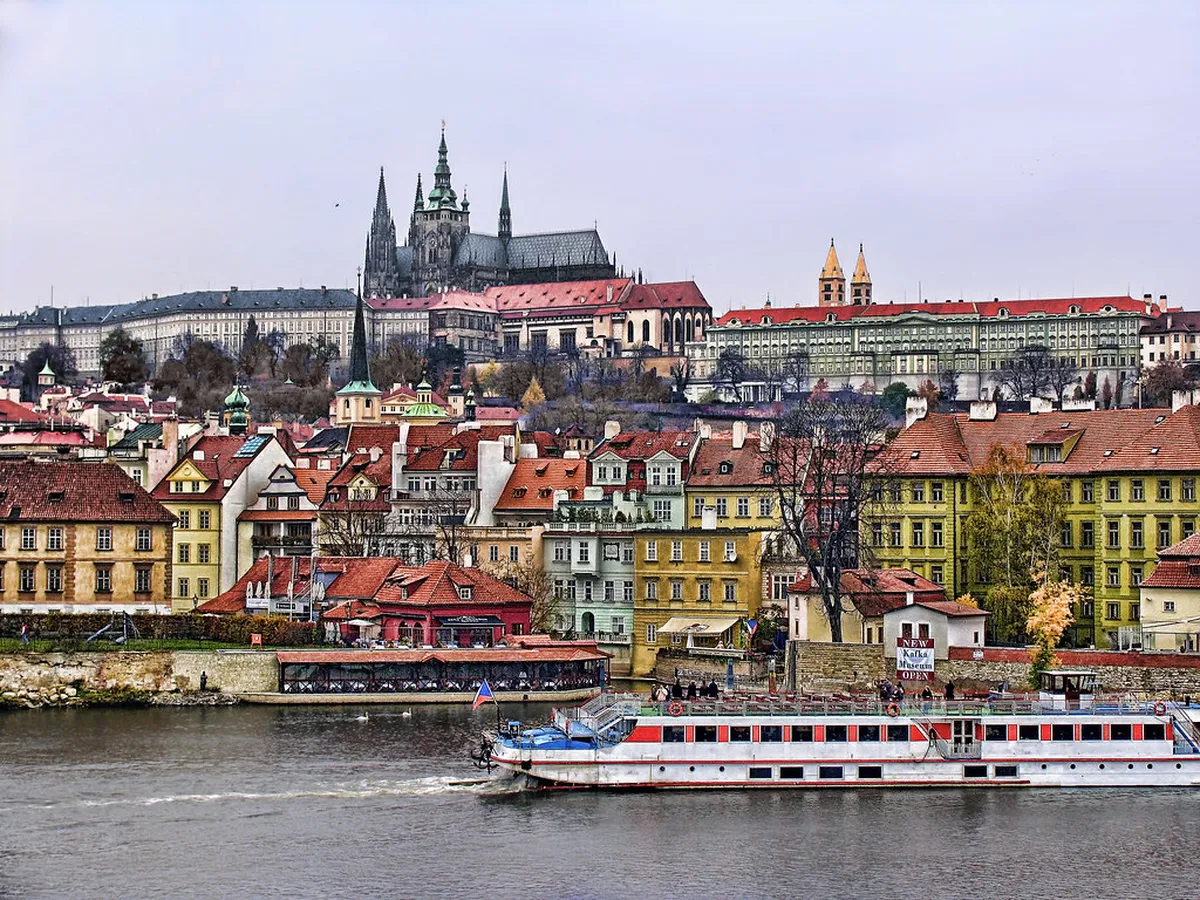
Accessible Prague Historic Walk Guide for 2026
Prague is a city of stunning spires and ancient streets. Many visitors worry about the old cobblestones and hills. This Prague historic walk accessibility guide helps you navigate the city with ease. You can enjoy the sights without any unnecessary stress.
The city has made many changes for 2026. Most main tourist areas now offer better access for everyone. We will cover everything you need for a smooth trip. This includes public transport, specific routes, and local secrets.
Planning is the key to a successful visit. Prague's historic center is a UNESCO site with unique challenges. However, with the right information, the city is very welcoming. Let's start planning your barrier-free adventure today.
Planning Your Prague Historic Walk Accessibility Guide
Prague is famous for its narrow alleys and historic charm. Many of these paths have very old stones. These stones can be bumpy for wheels or strollers. You should plan your path using our historic walk in Prague guide.
The Prague official site provides updated maps for disabled travelers. These maps show which streets have smoother paving. You can also find information on low-floor tram routes. Trams are often better than the metro for seeing the city.
Always check the "PID Lítačka" app for real-time updates. This app shows which metro stations have working elevators. It also lists all accessible bus and tram connections. This tool is essential for navigating the city efficiently.
- Check the terrain: Use satellite views to see pavement types.
- Verify elevators: Not all metro stations are barrier-free yet.
- Identify ramps: Look for side entrances at major museums.
Essential Before You Go Checklist
Preparation starts long before you reach the Czech Republic. You must ensure your equipment is ready for European streets. Check the official Visit Czechia site for current construction notices. Some areas may have temporary ramps or detours.
You should also research the Hradcany district walking itinerary. This area is on a steep hill near the castle. Knowing the elevator locations will save you a lot of effort. Most visitors find the castle district very accessible with a plan.
Before you go:
- Download maps: Save offline versions of accessibility maps.
- Book tickets: Secure entries for Prague Castle in advance.
- Check power: Ensure you have the right adapters for chargers.
- Contact hotels: Confirm the width of the elevator doors.
- Insurance: Verify that your travel insurance covers mobility equipment.
On the Day Accessibility Checklist
Each day in Prague brings new sights to explore. Start your journey with the Prague Royal Route for a classic experience. This path connects the Old Town to the Castle. It is one of the most popular walks in the city.
Make sure to start your day early to avoid crowds. Large groups can make narrow accessible paths hard to use. This is especially true near the Charles Bridge statues guide area. Early mornings offer the best light and the most space.
On the day:
- Battery check: Ensure your mobility device is fully charged.
- Cash on hand: Carry Czech Koruna for accessible public toilets.
- Elevator status: Double-check the metro elevator status online.
- Weather watch: Rain can make cobblestones very slippery.
- Emergency numbers: Keep local contact info in your pocket.
Navigating the Historic Center with Ease
The heart of the city is the Old Town. You can follow an Old Town Square history walk to see the clock. The square itself is quite flat but has many tourists. Look for the smoother stone paths near the edges.
Crossing the river takes you to the Lesser Town Prague historic streets. This area has some steep sections and very old stairs. Stick to the main tram lines for the easiest transit. Trams 12, 15, and 22 use many low-floor vehicles.
If you enjoy history, visit the Jewish Quarter Prague walk. This district is mostly flat and very easy to navigate. Most of the synagogues have ramps or level entry points. It is a great place for a relaxed afternoon.
- If you use a wheelchair: Use the "Mapy.cz" app for terrain details.
- Castle entry: Use the "Prasny most" entrance for fewer steps.
- Silver stones: Look for the flat silver stones on sidewalks.
- Museum ramps: Request assistance at the National Museum entrance.
Common Accessibility Mistakes to Avoid
💡 Pro Tip: Book your Prague adventures in advance through Viator for the best deals!
Many travelers make simple mistakes that can ruin a day. One major error is trying to cross the Charles Bridge at noon. The crowds are so thick that movement is very difficult. It is much better to go at sunrise or after dark.
Another mistake is ignoring the elevation of the city. Prague is built on several hills. Walking from the river up to the castle is very tiring. Always use the tram or a taxi for the uphill sections of your trip.
Common mistakes:
- Trusting all icons: Some "accessible" icons on old maps are outdated.
- Thin soles: Wearing shoes with no cushion on hard stones.
- Ignoring trams: Thinking the metro is the only way to travel.
- No backup: Not having a plan if an elevator is broken.
- Small wheels: Using strollers or chairs with very tiny front wheels.
- Late starts: Arriving at popular sites when they are most crowded.
What to Leave at Home for Your Walk
Packing light is essential for any historic city. You do not want to carry extra weight over uneven ground. Leave heavy physical guidebooks at home and use digital versions. This keeps your hands free for navigation and safety.
Avoid bringing equipment that is too fragile. The vibrations from the cobblestones can be hard on light strollers. If possible, use a device with larger, air-filled tires. These provide a much smoother ride for the user.
Don't pack:
- Heavy bags: Avoid backpacks that shift your center of gravity.
- Fragile strollers: Leave the lightweight "umbrella" strollers behind.
- Thin tires: Avoid manual chairs with very thin, hard tires.
- Rigid schedules: Do not plan every minute; allow for rest.
- Large umbrellas: These are hard to hold while moving a chair.
Frequently Asked Questions
Is Prague a wheelchair-friendly city?
Prague is increasingly wheelchair-friendly, especially in the main tourist districts. While cobblestones remain a challenge, many sidewalks now feature smoother paths. Most public transport is accessible, and major attractions like Prague Castle have barrier-free routes for visitors with mobility needs.
Are the trams in Prague accessible for everyone?
Yes, many trams in Prague are low-floor models. These are marked with a wheelchair symbol on the official timetables. You can use the PID Lítačka app to find these specific trams in real-time. They provide a great way to see the city comfortably.
Can I visit the Jewish Quarter with a mobility aid?
The Jewish Quarter is one of the most accessible parts of Prague. The area is relatively flat and the streets are well-maintained. Most synagogues and the Jewish Museum offer ramps or elevators for visitors using wheelchairs or strollers.
Exploring Prague is a rewarding experience for every traveler. By using this Prague historic walk accessibility guide, you can see the best of the city. Remember to plan your routes, check your equipment, and use the accessible transport system. For a flatter alternative to the city center, consider the Vysehrad fortress historic walk. Enjoy your journey through this magical city in 2026!
Official resources
Use these sources for official schedules, tickets, routes, and updates.
- Prague.eu — Official city tourism portal; unverified.
- Praha.eu — Official municipal government portal; unverified.
- Visit Czechia — National tourism board; unverified.
- UNESCO World Heritage Centre — Official UNESCO heritage listing; unverified.
- Prague Castle — Official landmark domain; unverified.