
Essential Prague Walking Tips and Footwear for Your Trip
Prague is a city built for explorers. Most of the historic center is pedestrian-only. This means you will spend hours on your feet. Mastering Prague walking tips and footwear is vital for a good trip. The city is famous for its beautiful but brutal cobblestone streets. Without the right shoes, your feet will ache by noon.
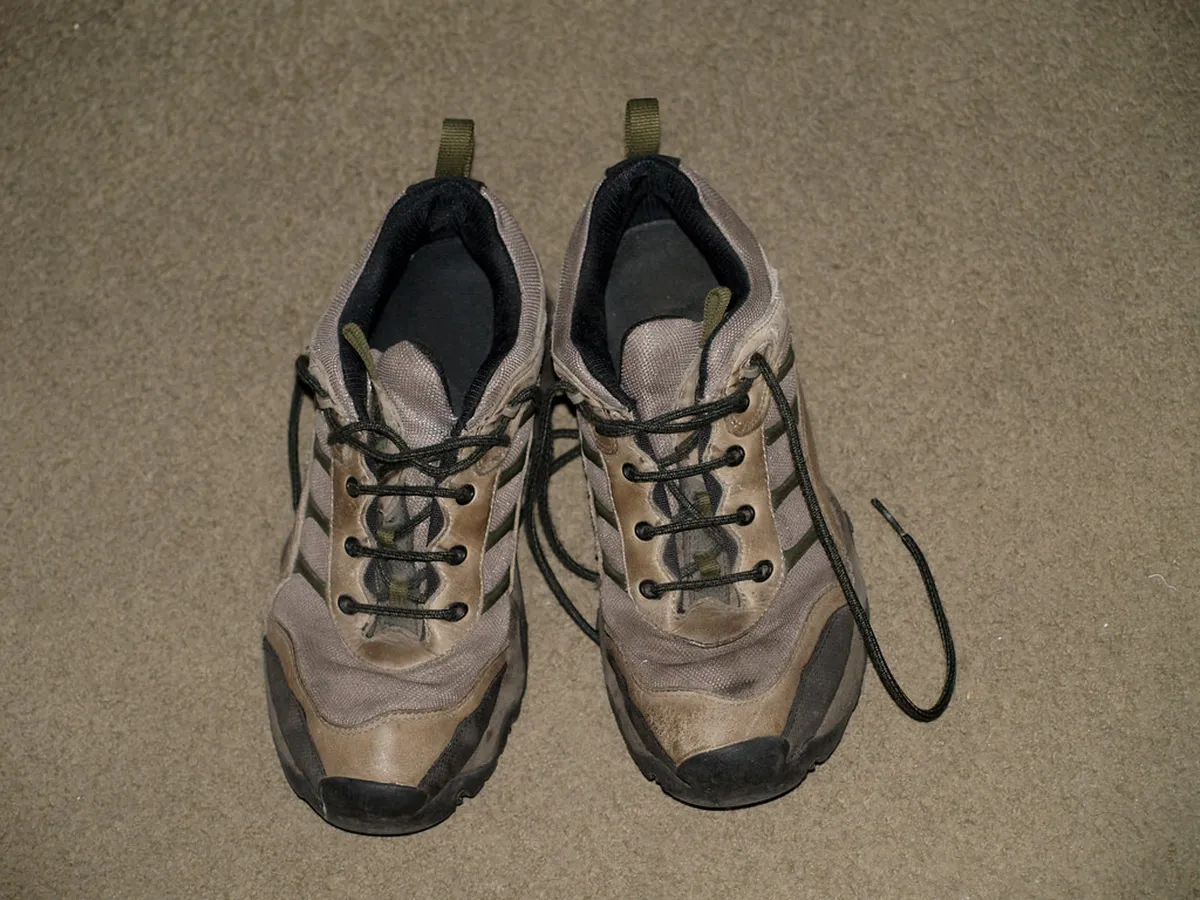
The best footwear for Prague is a pair of high-quality sneakers with thick, cushioned soles. These provide the necessary shock absorption for uneven stones. If you visit in winter, choose waterproof boots with excellent grip. Avoid thin-soled flats or high heels at all costs. You can find more planning advice on the Visit Czechia website.
For those who prefer a structured plan, a best walking tour route in Prague can help. This guide will show you how to prepare. We will cover everything from shoe selection to navigating steep hills. Follow these steps to keep your feet happy throughout your 2026 vacation.
Choosing the Best Prague Walking Tips and Footwear
Prague's streets are mostly made of small, square stones. These stones are often uneven and can be slippery when wet. When considering Prague walking tips and footwear, think about stability first. A shoe with a wide base helps prevent ankle rolls. Many travelers find that trail running shoes or athletic sneakers work best. These shoes offer better traction on the smooth, polished surfaces of the Old Town.
Cushioning is your best friend in the Czech capital. The hard ground does not absorb impact well. Look for shoes with foam or gel midsoles to protect your joints. If you are planning an old town Prague walking tour, you will be on these stones for hours. Your feet will swell slightly as you walk, so ensure your shoes are not too tight.
Socks are just as important as the shoes themselves. Wear moisture-wicking socks to prevent friction and blisters. Wool blends are excellent for both summer and winter. They keep your feet dry and provide an extra layer of padding. Check the official Prague.eu portal for local weather patterns before you pack. This ensures you bring the right weight of socks for the season.
Step-by-Step Guide to Walking Through Prague
Follow this process to ensure a comfortable day of sightseeing. Proper planning prevents physical exhaustion and injury.
- Check the Forecast: Spend 2 minutes checking a local weather app. Typical cost is free. Do this at your hotel before leaving. A common mistake is ignoring the chance of rain, which makes stones very slippery.
- Select Your Footwear: Choose your most cushioned shoes. Typical cost is $0 if you already own them. Do this in your hotel room. A common mistake is wearing brand-new shoes that have not been broken in yet.
- Plan Your Route with Breaks: Use a Prague walking tour map PDF to identify rest spots. Typical cost is free. Do this at a cafe or the lobby. A common mistake is trying to see everything without stopping for water.
- Navigate the Stones: Walk with a slightly wider stance for balance. Typical cost is free. Do this on any historic street. A common mistake is looking only at your phone instead of the uneven ground.
- Post-Walk Recovery: Stretch your calves and feet after returning. Typical cost is $5 for a refreshing drink. Do this at a local pub or your room. A common mistake is going straight to bed without stretching.
If you want to combine walking with culture, consider a guided Prague beer walking tour. This allows you to sit and rest between sections of the city. It is a great way to experience the local lifestyle while giving your feet a break.
Essential Gear and Preparation Checklist
Before you head out, make sure you have these items. Being prepared will save you from having to buy expensive replacements in tourist areas.
- Supportive Shoes: Sneakers or hiking shoes with thick rubber soles.
- Blister Bandages: Hydrocolloid bandages for immediate relief if a hotspot forms.
- Reusable Water Bottle: Stay hydrated at the city's many public fountains.
- Lightweight Backpack: Keep your hands free for balance while walking.
- Small Umbrella: Rain can start suddenly, making the cobblestones slick.
Navigating Hills and Famous Neighborhoods
Prague is not flat. The walk up to the Prague Castle involves a significant incline. When following the Prague castle district walking path, take the stairs slowly. The Old Castle Stairs are historic but can be steep. Lean slightly forward to make the climb easier on your back.
The Charles Bridge is another area that requires caution. The stones there are very smooth from millions of visitors. It can be crowded, which limits your ability to see where you step. Try to visit early in the morning to have more space. This allows you to focus on the views without tripping over other tourists.
Down in the valley, the streets are more level but still paved with stone. Exploring the Mala Strana and Kampa Island walk offers a mix of park paths and streets. Park paths are often easier on the feet than the hard stone. Use these green spaces to give your joints a rest from the constant vibration of the cobblestones.
Troubleshooting Common Walking Problems in Prague
🎯 Insider Tip: Discover the best Prague experiences with Viator Tours!
Even with the best preparation, issues can arise. Knowing how to handle them will keep your trip on track.
- Blisters: Apply a bandage the moment you feel a "hotspot" to prevent a full blister.
- Wet Stones: Shorten your stride and walk on the flatter parts of the stones to avoid slipping.
- Fatigue: Use the excellent tram system to skip the less scenic parts of your walk.
- Sore Arches: Roll your foot over a cold water bottle at the end of the day.
- Tram Tracks: Be careful not to get your shoe caught in the metal tracks while crossing.
- Crowd Stress: Step into a side street or courtyard for a few minutes of quiet.
- Ankle Pain: Stop walking immediately and check if your shoes are tied securely for support.
Frequently Asked Questions
Can I wear sandals in Prague?
Yes, you can wear sandals, but they must have secure straps and thick soles. Avoid thin flip-flops as they offer no support on cobblestones. Sturdy hiking sandals are a great choice for hot summer days when you need breathability and grip.
Are there many hills in Prague?
Prague has several significant hills, especially leading to the Castle and Petrin Lookout Tower. While the Old Town is mostly flat, you will encounter inclines in the Mala Strana and Hradcany districts. Plan your route to include downhill sections when possible to save energy.
How many miles will I walk in Prague per day?
Most tourists walk between 5 and 10 miles per day in Prague. The city center is compact, but the winding streets and many attractions add up quickly. Wearing the right footwear is essential because of this high daily mileage on hard surfaces.
Exploring Prague on foot is the best way to see its hidden gems. By following these Prague walking tips and footwear recommendations, you can enjoy the city without pain. Remember to choose thick-soled shoes, stay hydrated, and take plenty of breaks. If you need a break from the main crowds, try the Vysehrad fortress walking tour guide for a more peaceful experience. Enjoy your 2026 adventure in one of Europe's most beautiful cities!
Official resources
Use these sources for official schedules, tickets, routes, and updates.
- Prague.eu — Official city tourism portal; unverified.
- Praha.eu — Official municipal government portal; unverified.
- Visit Czechia — National tourism board; unverified.
- UNESCO World Heritage Centre — Official UNESCO heritage listing; unverified.
- Prague Castle — Official landmark domain; unverified.